
A small Italian school that makes you talk.
No streaks, no owls, no silent watching. Live lessons with a native teacher who interrupts you, corrects you, and gets you speaking Italian long before you feel ready for it.
Long enough to get somewhere, short enough to survive a working day.
Small enough that everyone speaks. There is no back row to hide in.
From your first buongiorno to holding your own in a real argument.
Eighteen minutes, no sign-up, and a level you can actually use.

Denise Di Luzio
Founder and teacher
Native Italian speaker. Four years teaching Italian to foreigners, and still in the classroom.
- Two degrees in languages
- Both awarded with the highest marks
Founded by Denise Di Luzio
Denise Di Luzio founded Dolce Vita Italian School after four years of teaching Italian to people who did not grow up with it: English speakers who needed the language for work, travel, an exam, or a family they could not yet speak to. She holds two degrees in languages, both awarded with the highest marks. She is a native speaker, and she still teaches the same live lessons the school is built around.
Those years kept returning the same student. They had already tried an app. They could name thirty foods and conjugate three verbs, and they still froze when a waiter in Napoli asked a follow-up question. That gap between knowing Italian and using it is why this school exists.
So the lessons are live conversations. A teacher on Google Meet, 55 minutes, a group of no more than six or nobody but you. You talk from the first lesson, badly at first, and someone who speaks Italian every day tells you what to fix. Grammar is the scaffolding, taught when it unlocks something you want to say, not because it is the next chapter.
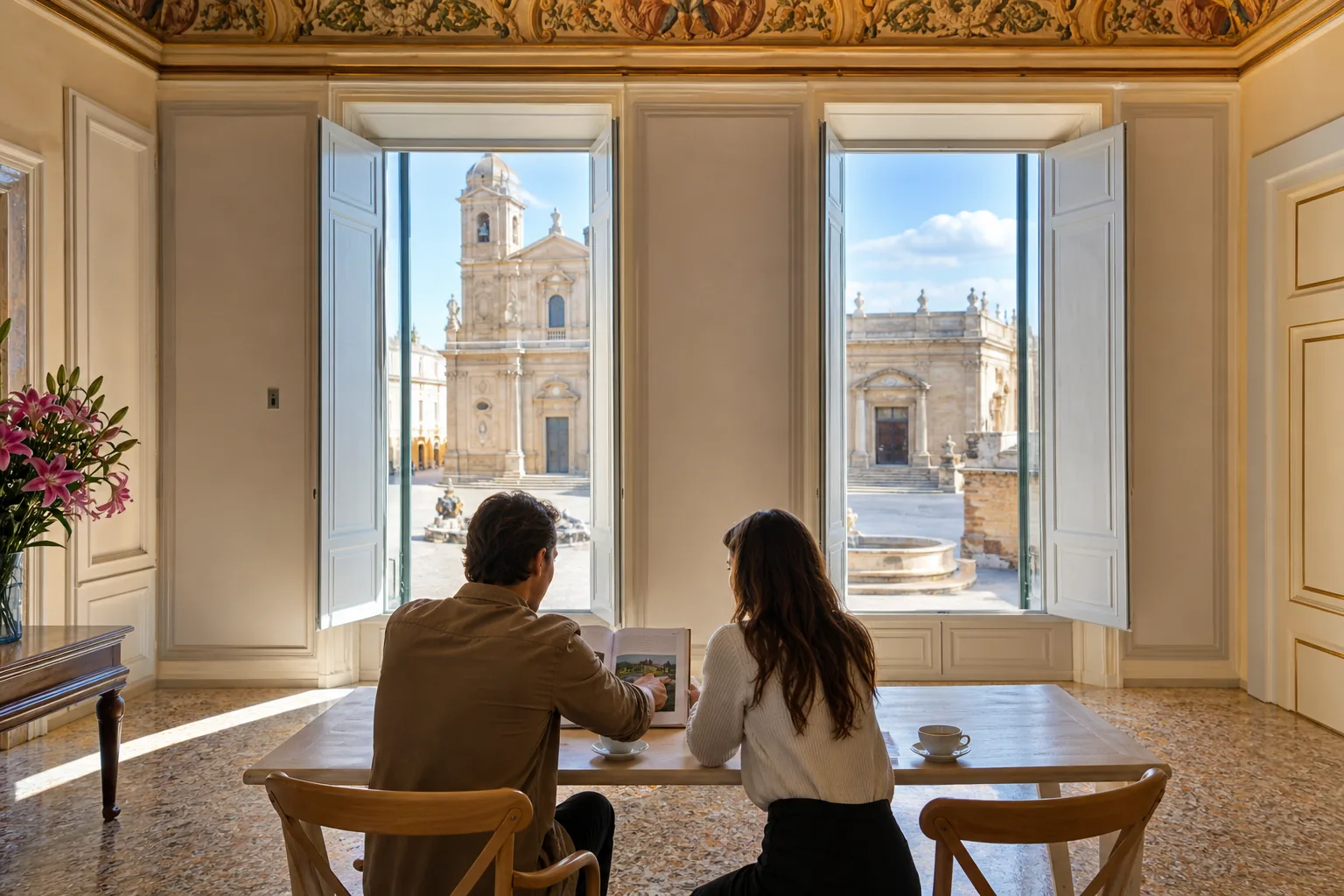
What an hour with us looks like
A link to Google Meet, 55 minutes, and a teacher who has read what you got wrong last time. Group classes cap at six people, so you are speaking within the first few minutes rather than waiting your turn.
The session is recorded and stays available for 30 days, which means you can stop transcribing and start listening. Materials come next, built around the sentences you stumbled over rather than the next unit of a textbook.
Nobody learns a language for no reason
People arrive here for six or seven recognisable reasons. Yours changes what we teach first, so it is worth being honest about which one it is.
Because the good stuff was written in it
Opera libretti, Dante, film subtitles that quietly drop half the joke, the label on a bottle from a hillside you drove past. Italian is not a gateway to the culture, it is the material the culture is made of.
Because the paperwork asks for it
Citizenship by marriage or by residency requires a language certificate at B1 - CILS, CELI, PLIDA and a couple of others are accepted. It is a real exam with a real syllabus, and it rewards being started early rather than crammed.
Because business with Italy runs on it
A supplier in Milano, a head office that switches to Italian the moment the call ends, a contract whose real meaning lives in the covering email. Following the room yourself is worth more than any summary someone sends you afterwards.
Because the phrasebook runs out on line four
You can order a coffee from a card. What you cannot do from a card is take the answer, ask why the museum is shut, or accept the recommendation the barman gives you instead. That is where a trip changes character.
Because someone in your family spoke it
Letters nobody can read any more, a grandmother whose Italian was really a dialect, a surname that gets pronounced wrong in two countries. Learning the language is how the stories come back into the room.
Because it is a pleasure in itself
Italian is generous to beginners: it is written the way it sounds, the vowels are clean, and a sentence you build correctly simply sounds good. Few languages pay you back this early for this little.
Not sure which one is yours yet? The guides cover grammar, travel, work and exams in more depth, and the placement test tells you where you would start.
Three things we put in writing
Language schools are easy to join and awkward to leave. These are the rules we actually run on, and they are the same ones on our FAQ page.
Change teacher, no charge
Learning with someone you do not click with is a waste of your money. Say the word and we move you, at no extra cost, no explanation required.
Reschedule up to 24 hours before
Work runs late, children get ill, flights move. Shift the lesson with more than a day to go and nothing is lost, no penalty applied.
Lessons never expire
Buy a package and take it at whatever pace your life allows - one a week, three in a fortnight, or a pause while you move house.
The people on the other side of the call
A course is really just a teacher and an hour. Here is what we hold ourselves to on both.
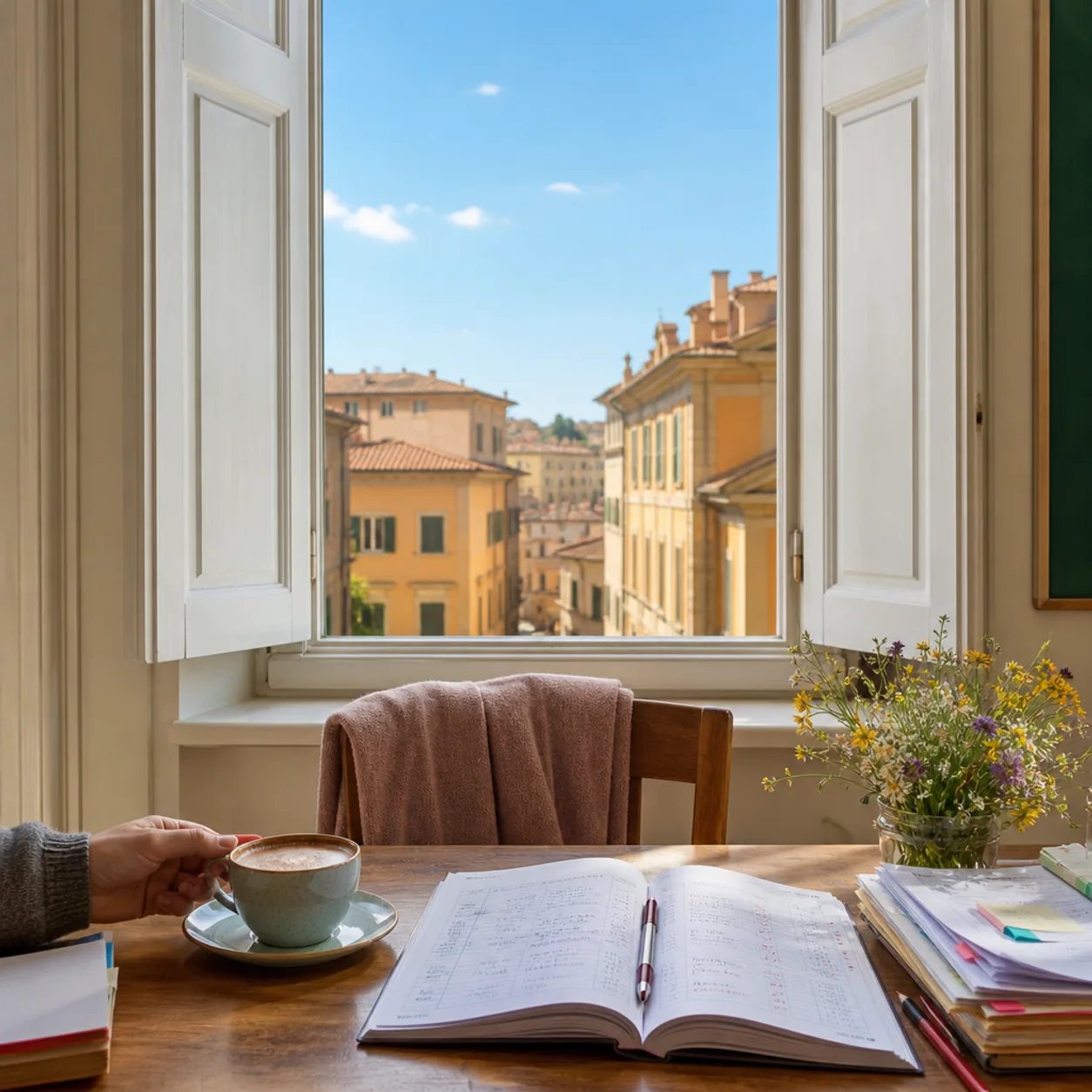
You choose who teaches you
Every teacher is a native speaker, and you pick yours rather than being allocated one by a scheduler.
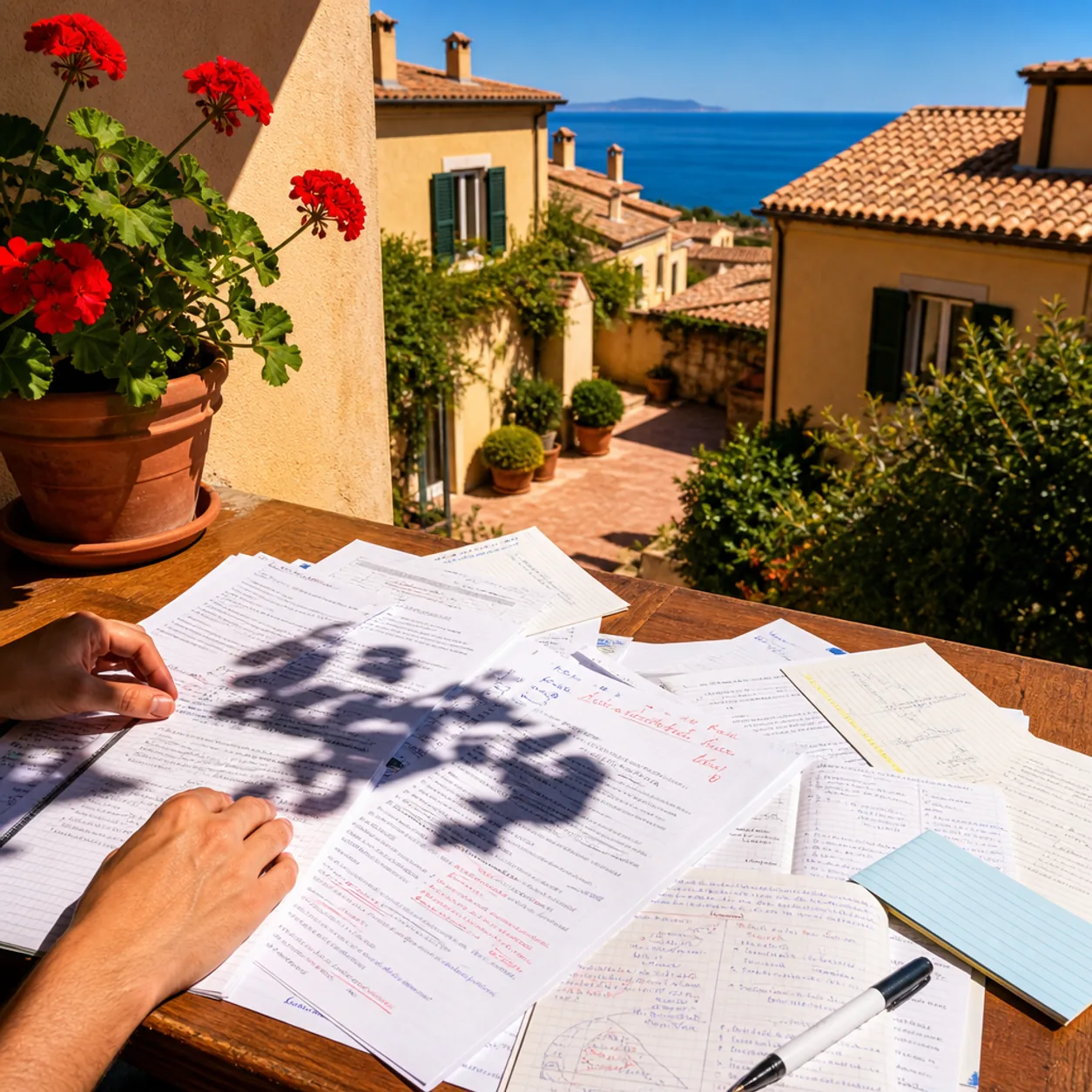
They build the materials for you
Not a shared course pack. Custom material aimed at the things you keep getting wrong and the situations you are actually heading into.

And they stay reachable in between
Every lesson is recorded and kept for 30 days, and questions between sessions get answered instead of waiting a week.

Start with a free placement test
Eighteen minutes, no sign-up. We place you from A1 to C1 so the first lesson is already at the right level.